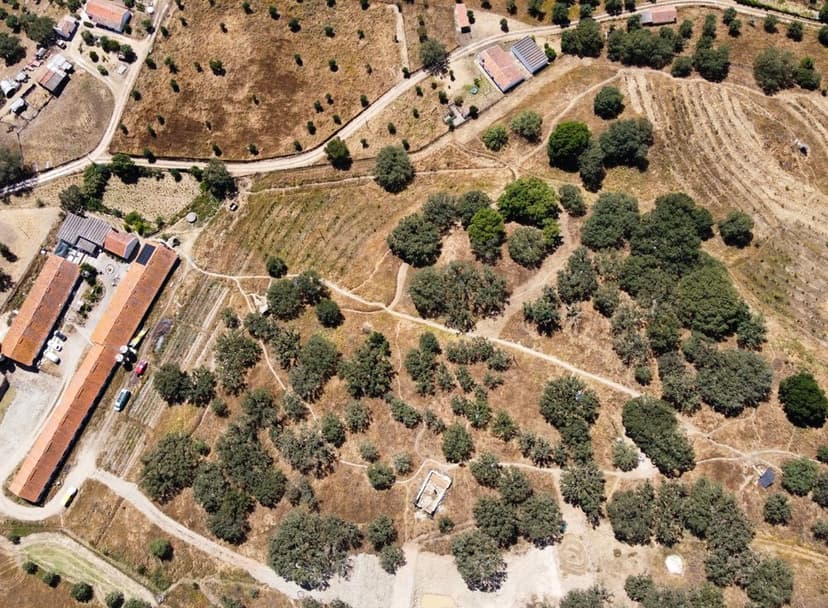

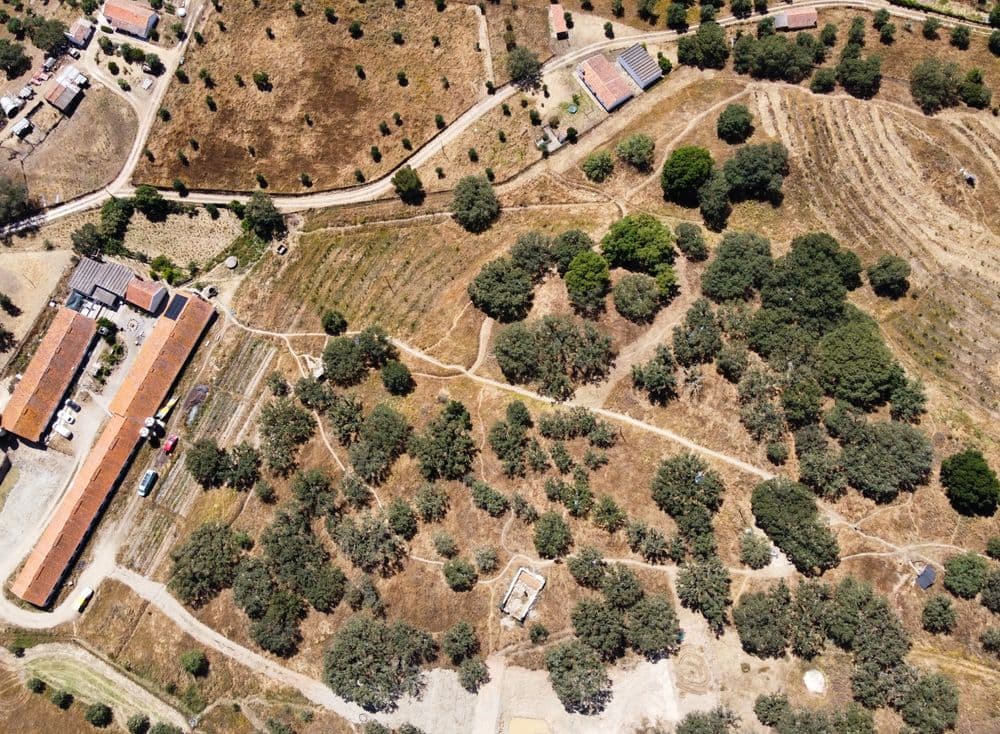
The years from 2020 to 2030 have been coined by some as the "Regenaissance" – a decade where humanity shifts into a regenerative paradigm. As the negative impacts of our current systems become more apparent, people are beginning to recognize the need for a new way of living that prioritizes regeneration, rather than just sustainability.
What is Regeneration?
Regeneration is the process of restoring, renewing, and revitalizing living systems. In the context of the environment, it involves improving soil health, water quality, biodiversity, and other ecosystem functions. Regeneration also extends to social systems, with a focus on improving human well-being and creating more equitable and just societies.
The Need for Regeneration
The current systems of production and consumption are degrading the natural systems that sustain life on Earth. Climate change, biodiversity loss, and resource depletion are just some of the consequences of our extractive and unsustainable practices. The need for regeneration has become urgent, as we face a future of increasing ecological and social challenges.
The Regenaissance: Shifting Towards Regeneration
The Regenaissance represents a shift towards a regenerative paradigm, where we prioritize the restoration and revitalization of natural and social systems. This paradigm shift involves a fundamental change in how we think about and approach sustainability, moving beyond reducing negative impacts to actively restoring and regenerating the environment.
Examples of Regenerative Practices
There are many examples of regenerative practices that are being implemented around the world. Here are some examples:
- Regenerative Agriculture: Regenerative agriculture is a farming practice that focuses on restoring soil health, biodiversity, and ecosystem function. This involves using techniques like cover cropping, crop rotation, and minimal tillage, as well as incorporating livestock into the system.
- Ecological Restoration: Ecological restoration involves restoring degraded ecosystems to their natural state. This can include reforestation, wetland restoration, and other habitat restoration efforts.
- Circular Economy: The circular economy is an economic system that aims to eliminate waste and pollution, and keep resources in use for as long as possible. This involves designing products and systems that are regenerative and can be reused, repaired, or recycled.
Conclusion
The Regenaissance represents a shift towards a regenerative paradigm, where we prioritize the restoration and revitalization of natural and social systems. This paradigm shift involves a fundamental change in how we think about and approach sustainability, moving beyond reducing negative impacts to actively restoring and regenerating the environment. By implementing regenerative practices like regenerative agriculture, ecological restoration, and circular economy, we can create a more sustainable and just future for ourselves and future generations.