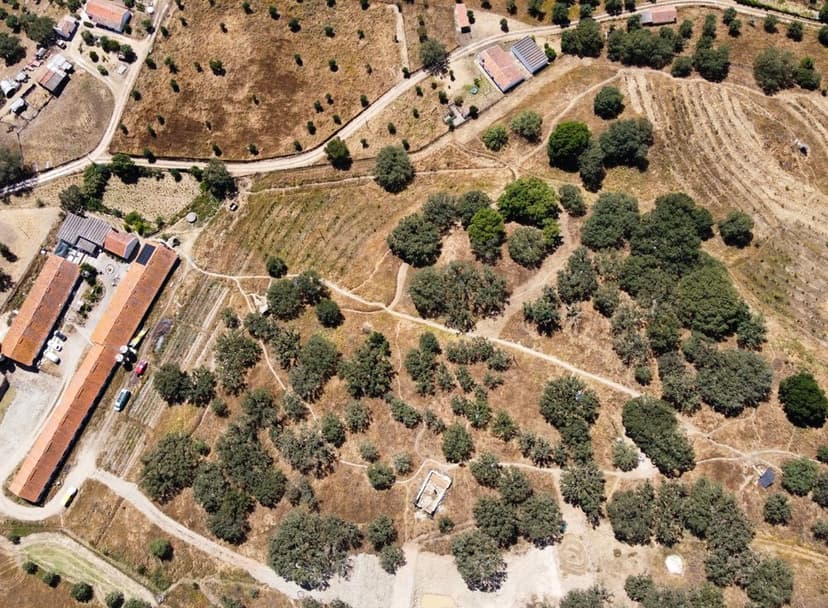

Regenerative agriculture is a holistic approach to farming that aims to restore soil health and biodiversity, while also promoting social and economic sustainability. This approach to agriculture is gaining popularity among small-scale communities, as it offers a sustainable and profitable alternative to conventional farming practices. In this article, we will explore the principles of regenerative agriculture and its application for small-scale communities.
What is Regenerative Agriculture?
Regenerative agriculture is a farming approach that focuses on building healthy soil, promoting biodiversity, and improving ecosystem health. This is achieved through practices such as crop rotation, cover cropping, intercropping, and minimal tillage. These practices promote the growth of soil microorganisms, which help to improve soil structure, increase nutrient availability, and enhance water retention.
In addition to improving soil health, regenerative agriculture also aims to promote biodiversity by creating habitat for beneficial insects, birds, and other wildlife. This is achieved through the use of cover crops, hedgerows, and other practices that provide food and shelter for these organisms.
Benefits of Regenerative Agriculture for Small-Scale Communities
Regenerative agriculture offers several benefits for small-scale communities, including:
Improved Soil Health: Regenerative agriculture practices help to improve soil health, which leads to better crop yields and reduces the need for synthetic fertilizers and pesticides.
Increased Biodiversity: Regenerative agriculture practices create habitat for beneficial insects, birds, and other wildlife, which helps to promote biodiversity and enhance ecosystem health.
Sustainable and Profitable Farming: Regenerative agriculture practices can help small-scale farmers to reduce costs and increase profits, while also promoting sustainability and environmental stewardship.
Community Resilience: Regenerative agriculture practices can help to build community resilience by promoting local food production and reducing dependence on external food sources.
Application of Regenerative Agriculture for Small-Scale Communities
Regenerative agriculture practices can be applied to a wide range of farming systems, from small-scale vegetable gardens to larger-scale livestock operations. Here are some key practices that are particularly relevant for small-scale communities:
Crop Rotation: Crop rotation involves rotating crops between different fields or plots, which helps to prevent soil erosion and reduce the buildup of pests and diseases.
Cover Cropping: Cover cropping involves planting a crop specifically for its ability to improve soil health and fertility. These crops are usually planted during the off-season to help improve soil structure, increase nutrient availability, and reduce soil erosion.
Intercropping: Intercropping involves planting different crops in the same field or plot to help promote biodiversity and enhance soil health.
Minimal Tillage: Minimal tillage involves reducing the amount of soil disturbance during planting and harvesting. This helps to preserve soil structure and reduce soil erosion.
Conclusion
Regenerative agriculture is a sustainable and profitable farming approach that offers many benefits for small-scale communities. By promoting soil health, biodiversity, and sustainability, regenerative agriculture practices can help to improve crop yields, reduce costs, and enhance community resilience. While implementing regenerative agriculture practices may require an initial investment of time and resources, the long-term benefits are clear and compelling. As such, regenerative agriculture is likely to become an increasingly important part of the small-scale farming landscape in the coming years.